
HRV Training
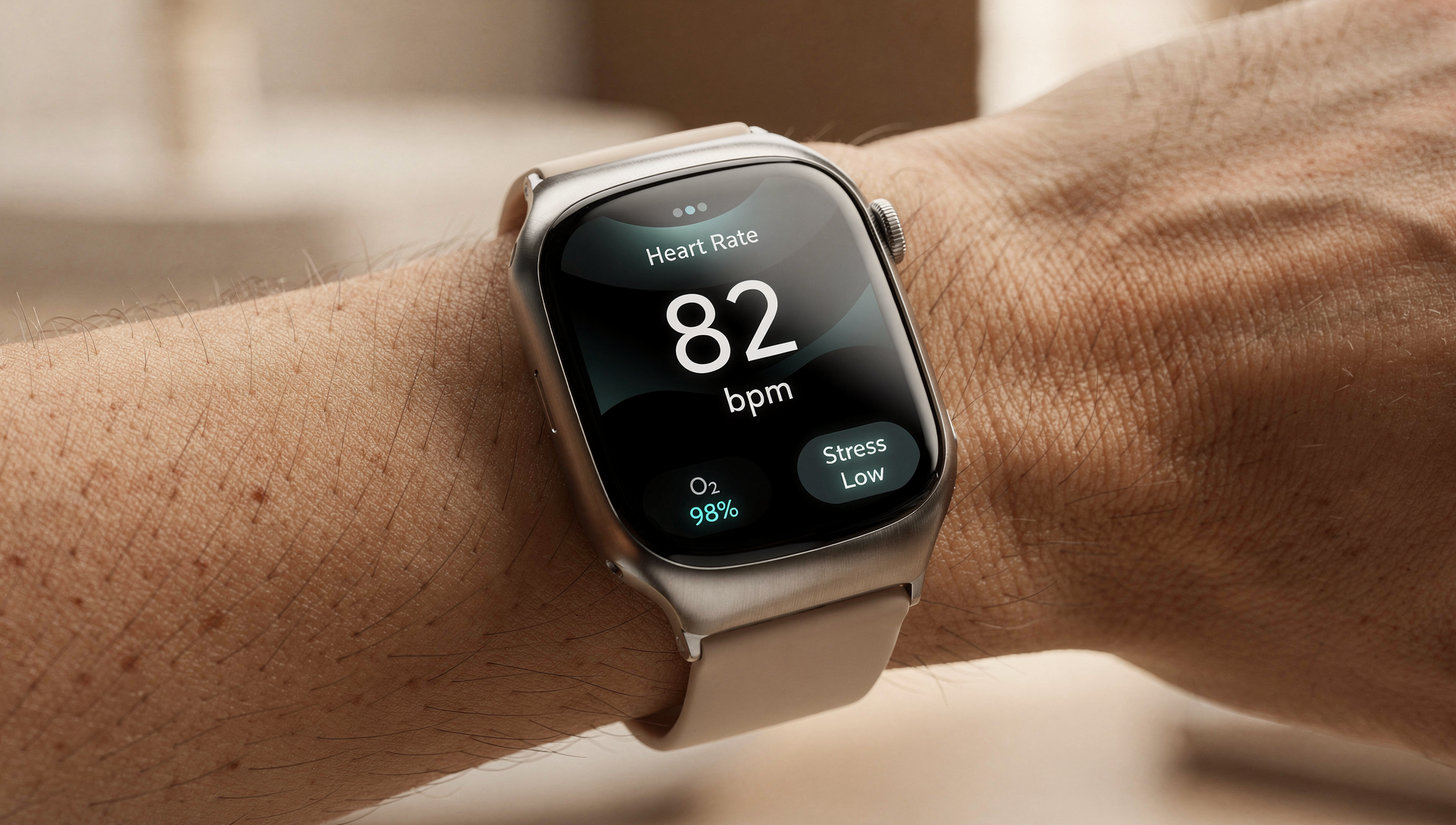
Heart rate variability — the tiny timing differences between heartbeats — is the most accessible window into your autonomic nervous system. A rising HRV trend signals expanding recovery capacity; a suppressed one flags accumulating stress before symptoms do. HRV is trainable: aerobic fitness, sleep regularity, breathwork and alcohol reduction all move it measurably.
What does HRV actually measure?
The push-pull between your sympathetic (stress) and parasympathetic (recovery) nervous systems. High variability means your system shifts flexibly between effort and rest; chronically low variability means the stress side is stuck 'on.' It's a systems reading, not a heart problem indicator.
What raises HRV — in evidence order?
Aerobic base training (especially zone 2) is the strongest chronic lever. Then sleep — both duration and, critically, consistent timing. Then removing suppressors: alcohol is the most reliable single-night HRV killer in wearable datasets. Slow breathing practice adds an acute, trainable boost.
Our wearables & HRV evidence review grades the studies behind each lever.
How does slow breathing training work?
Breathing at roughly 5–6 breaths per minute drives respiratory sinus arrhythmia — heart rate rising on the inhale, falling on the exhale — which directly exercises vagal control. Ten minutes daily for 6–8 weeks produces measurable resting HRV gains in controlled studies.
Should I compare my HRV to other people's?
No — absolute HRV varies enormously with age, genetics and device. A fit 55-year-old at 45ms and a 25-year-old at 90ms can both be thriving. The only comparison that matters is you against your own 30-day baseline, measured on the same device at the same time.
How does Integrated Wellness use HRV?
Your overnight HRV trend streams into the Digital Twin, where it's read against training load, sleep, glucose and labs. Convergent decline triggers program adjustments — a deload, a sleep intervention, or clinical labs if the trend persists despite recovery work.
Medically reviewed by: Dr. Michael Ellis, DO — Medical Director, Integrated Wellness Medical Center
Scientific/technical contribution: John Campetella — Founder & CEO
Last reviewed: June 2026
What's a good HRV number?
There isn't one — ranges vary 3-fold between healthy people. Your trend against your own baseline is the signal; a sustained 15–20% drop from baseline matters regardless of the absolute number.
Which device measures HRV best?
Any validated wearable measuring overnight (Oura, Whoop, Apple Watch, Garmin) works — consistency of device and measurement window matters more than brand.
Can HRV be too high?
Rarely, sudden unexplained spikes can accompany parasympathetic saturation in overreached athletes. Context decides — which is why HRV is read alongside RHR and sleep, never alone.
How fast can I raise my HRV?
Acute levers (alcohol removal, sleep regularity) show up within days. Structural gains from aerobic training build over 8–12 weeks. Both show up clearly on a 30-day trend line.
A free, guided assessment — routed to the right clinical or wellness pathway.
Start My Health Assessment