
Microbiome Testing & Gut Health
Microbiome testing sequences the trillions of bacteria in your gut to map composition, diversity and functional capacity. Because the gut influences digestion, immunity, metabolism and mood, Integrated Wellness reads your microbiome alongside labs, genetics and lifestyle data — turning a raw species list into a physician-reviewed gut-health plan.
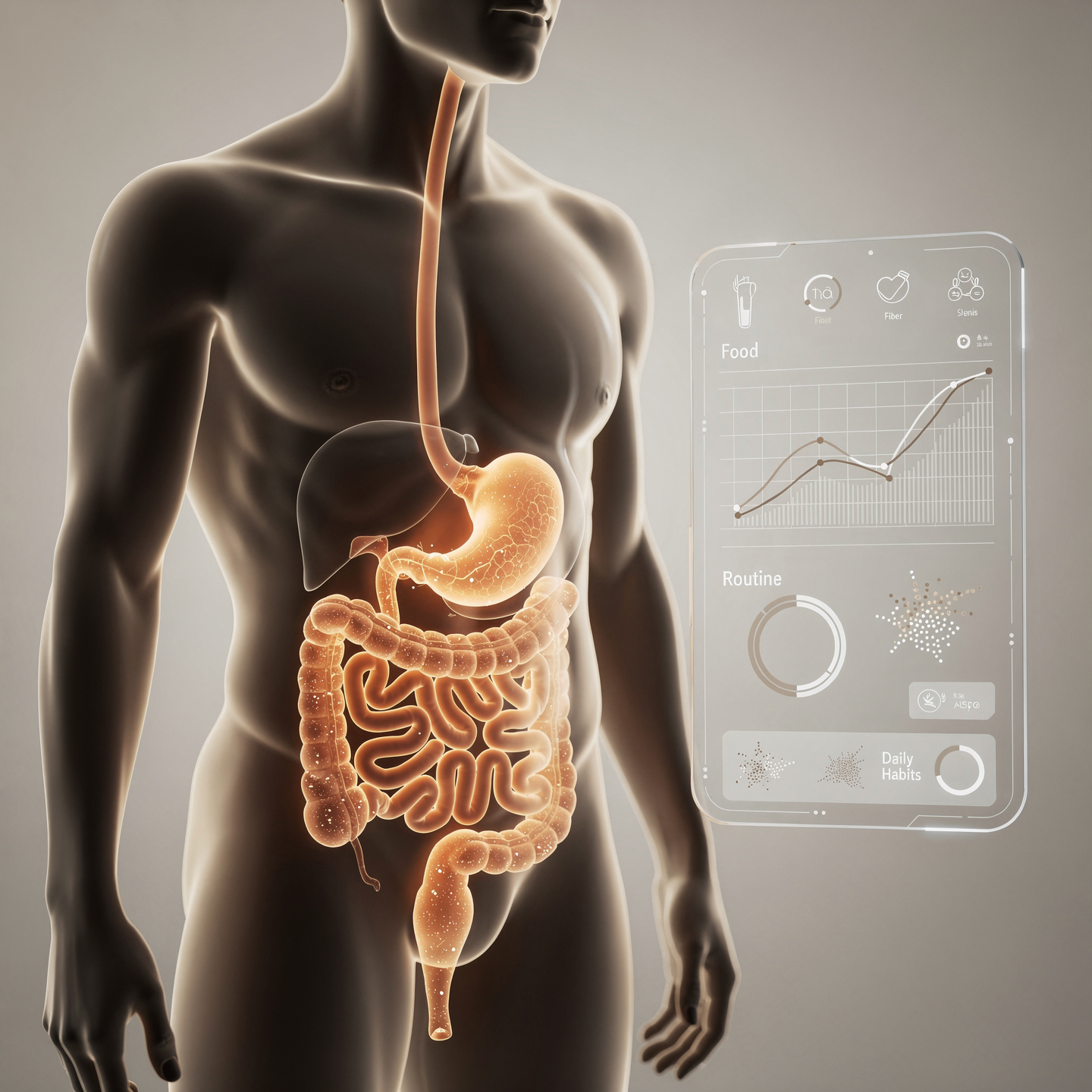
What is microbiome testing?
Microbiome testing analyzes a stool sample with DNA sequencing to identify which microbial species live in your gut, in what proportions, and what metabolic functions they perform — from fiber fermentation to neurotransmitter precursor production.
Why does gut health matter beyond digestion?
Roughly 70% of immune tissue lines the gut, and gut microbes produce compounds that influence metabolism, inflammation and brain signaling. Imbalances are associated with issues far from the gut — energy, skin, mood and metabolic health among them.
What is the gut-brain axis?
The gut-brain axis is the two-way communication network linking your gut and nervous system — via the vagus nerve, immune signaling and microbial metabolites like short-chain fatty acids. It is one reason stress shows up in digestion, and gut imbalance can show up in mood and focus.
What does a gut-health protocol include?
Targeted dietary changes (fiber diversity, fermented foods, elimination where indicated), specific probiotic or prebiotic support matched to your sequencing results, lifestyle inputs like sleep and stress, and retesting to confirm the ecosystem actually shifted.
Generic probiotics often miss because they aren't matched to your ecosystem. Sequencing first means supporting the specific functions your gut is missing.
How does microbiome data fit your Digital Twin?
Gut signatures are read against your inflammatory labs, food-response patterns and recovery data. The Matrix Engine is designed to surface connections — like a low-diversity gut coinciding with elevated inflammatory markers — that justify targeted, rather than generic, intervention.
Medically reviewed by: Dr. Michael Ellis, DO — Medical Director, Integrated Wellness Medical Center
Scientific/technical contribution: John Campetella — Founder & CEO
Last reviewed: June 2026
How is the sample collected?
At home, with a simple mail-in kit. Results typically return in 2–4 weeks and are reviewed with our clinical team.
Should I stop probiotics before testing?
Usually yes — pausing probiotics for 1–2 weeks gives a truer picture of your resident ecosystem. We confirm specifics during intake.
Can the microbiome really change?
Yes — the microbiome is one of the most modifiable systems in your body. Meaningful composition shifts are measurable within weeks of consistent dietary change.
Is microbiome testing diagnostic?
No. It is an assessment tool that informs nutrition and lifestyle strategy and supports clinical evaluation — it does not by itself diagnose disease.
A free, guided assessment — routed to the right clinical or wellness pathway.
Start My Health Assessment